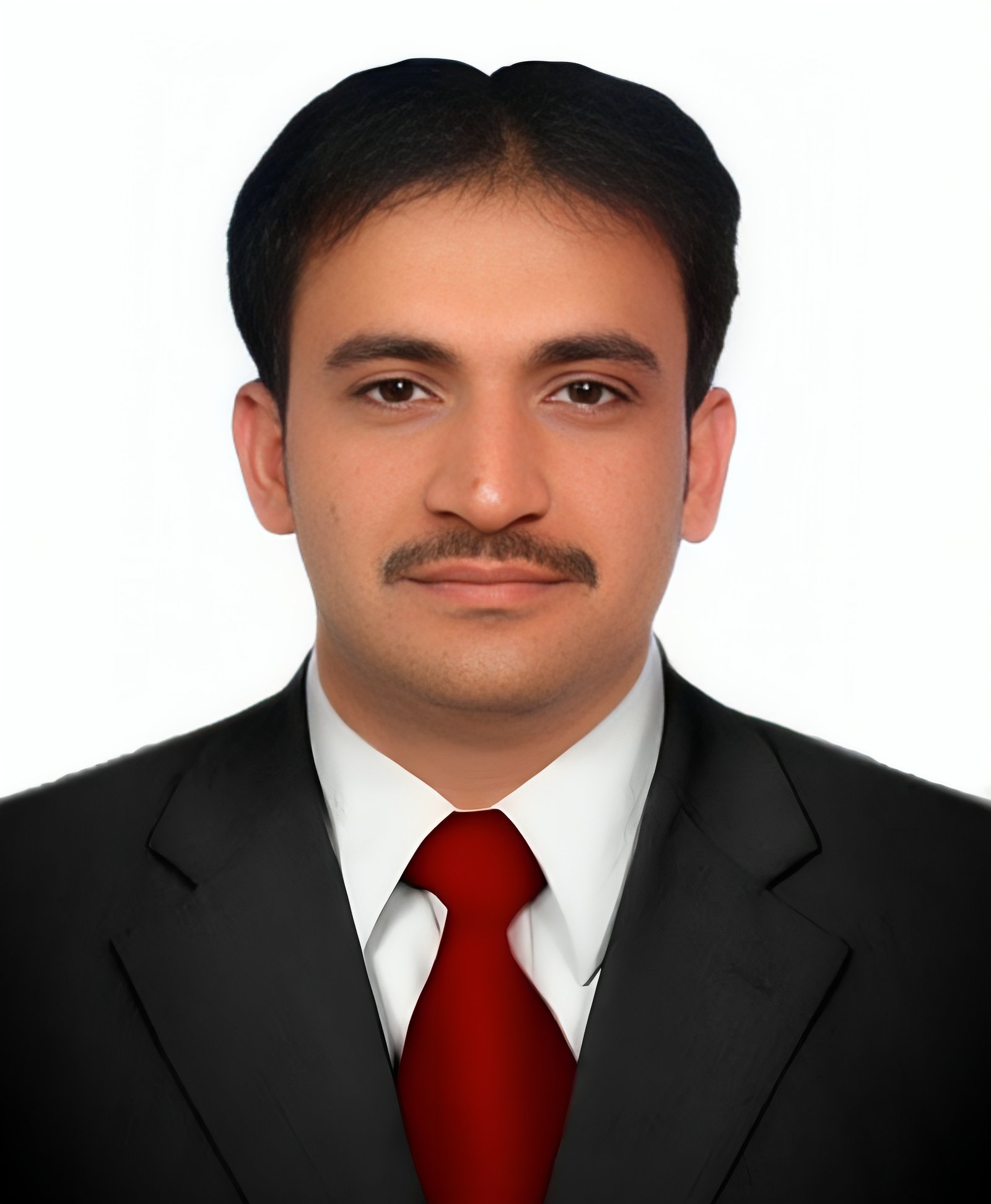
Assistant Professor, King Edward Medical UniversityConsultant Psychiatrist, Mayo Hospital LahoreAddiction Specialist (UNODC) · ICAP-P CertifiedChild & Adolescent Psychiatrist
Professional Affiliations
King Edward Medical University Mayo Hospital Lahore UNODC · ICAP Fountain House
Opioid Dependence Treatment in Lahore | OAMT & Buprenorphine at Mayo Hospital
The OAMT Centre at Mayo Hospital, Lahore provides evidence-based outpatient treatment for opioid dependence, including supervised sublingual buprenorphine, psychiatric assessment, counselling, psychosocial support, monitoring and inpatient care when clinically indicated.
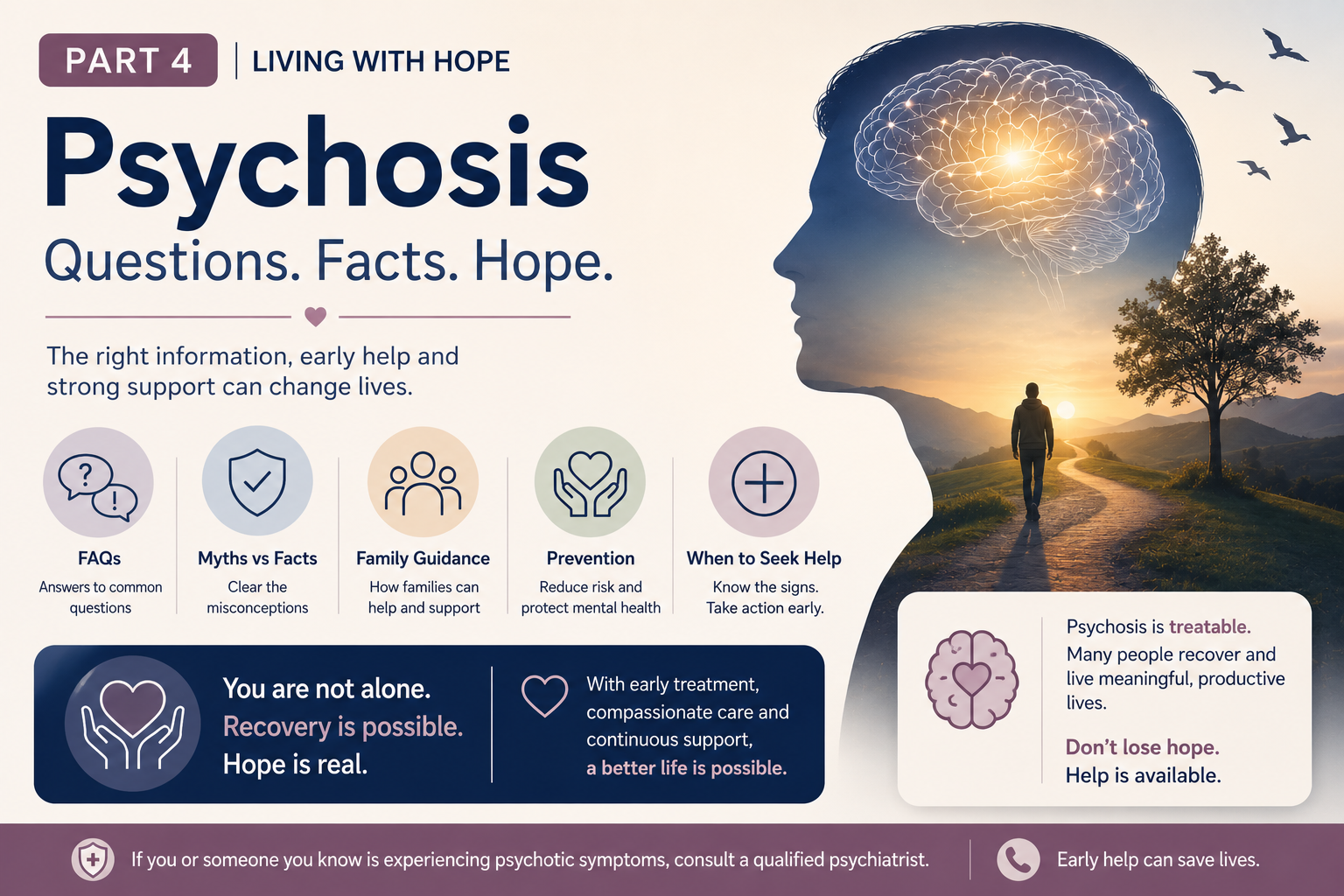
Part4, Psychosis: Symptoms, Causes, Early Warning Signs & Treatment | Complete Guide for Patients and Families
Psychosis is a treatable mental health condition that affects a person’s ability to distinguish reality from false perceptions or beliefs. Learn about the symptoms, causes, early warning signs, diagnosis, treatment, schizophrenia, drug-induced psychosis, recovery, and prevention in this comprehensive guide by psychiatrist Dr. Muhammad Shoaib Zafar.
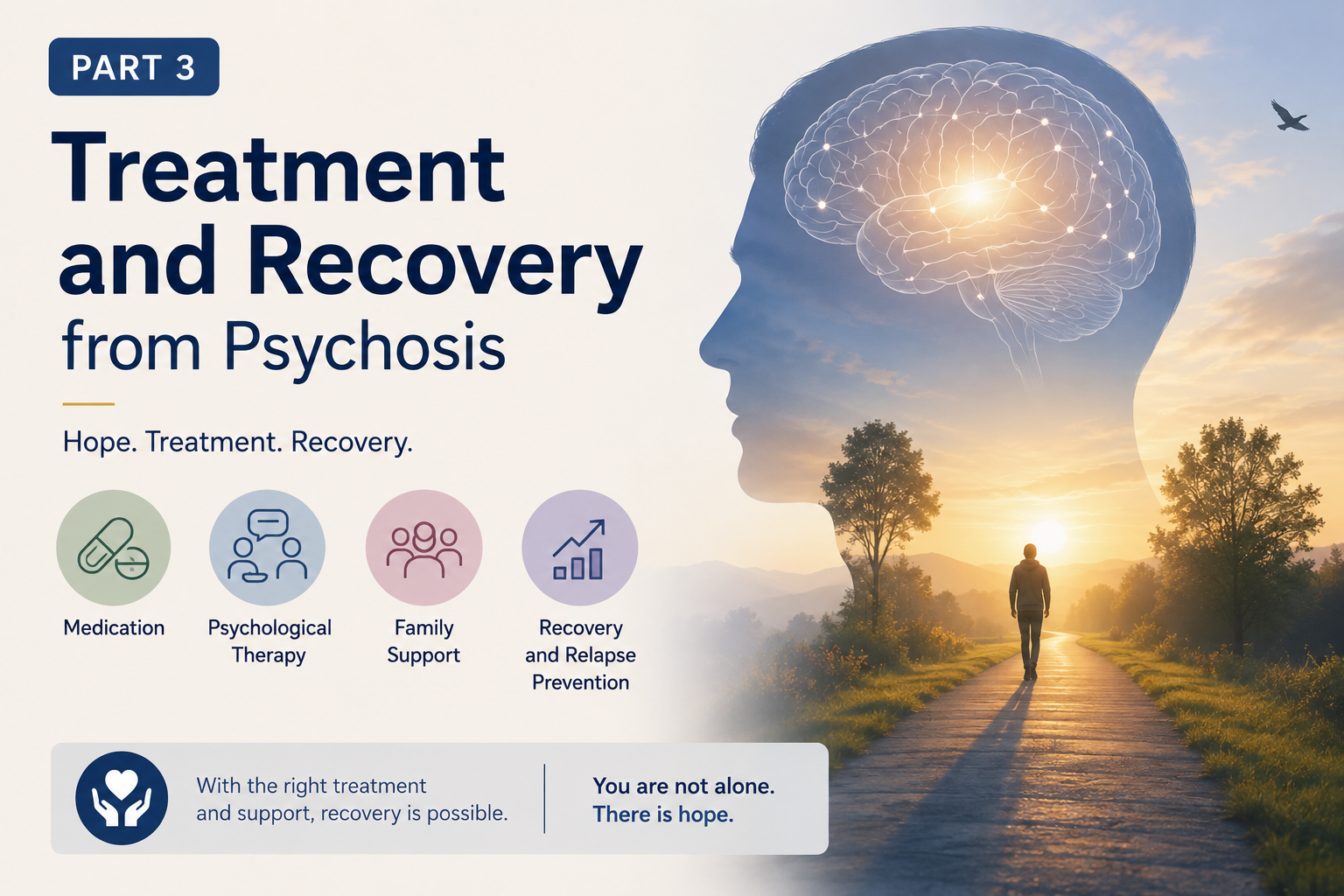
Part 3: Diagnosis, Treatment, Recovery, and Living with Psychosis
Psychosis is a treatable mental health condition. Learn how psychosis is diagnosed, the role of antipsychotic medications, psychotherapy, family support, rehabilitation, relapse prevention, and recovery. Discover evidence-based treatment options that help people with psychosis regain independence and improve their quality of life.
Common questions about appointments, treatment and psychiatric care.
How do I know if I need a psychiatrist?
If low mood, anxiety, sleep problems, intrusive thoughts, or substance use are affecting your daily life, work, studies or relationships for more than two weeks, a psychiatric assessment can clarify what is happening and what will help. Seeking an opinion early usually makes treatment shorter and easier.
How is addiction treated?
Addiction treatment is medical, not moral. It typically combines a full assessment, medically supervised detoxification where withdrawal could be dangerous, medication to reduce craving, structured psychotherapy such as CBT and relapse-prevention work, and family involvement. Programs are tailored to the substance and the person.
Can children receive online consultations?
Yes. Child and adolescent consultations are available through secure video with a parent or guardian present. Many follow-ups, behavioural reviews and parent-guidance sessions work very well online; an in-person visit is advised when a detailed physical or developmental examination is needed.
How long does treatment take?
It depends on the condition and its duration. Many patients feel meaningful improvement within 4–6 weeks of starting treatment, while conditions like bipolar disorder, schizophrenia or long-standing addiction need longer-term care and relapse prevention. Your plan and expected timeline are discussed openly at the first assessment.